Permits for Aldersbrook house removals on busy streets: a practical local guide
If you are planning a move in Aldersbrook and your street is narrow, busy, or already squeezed for parking, the permit side of the job can matter just as much as the boxes. Permits for Aldersbrook house removals on busy streets are not the glamorous part of moving day, but they can be the difference between a calm, efficient move and a frustrating one with double parking, delayed loading, and a lot of head-scratching at the kerb.
This guide explains what permits are usually trying to solve, how the process tends to work in real life, who needs to think about it early, and what to do so your removal team can get in, load up, and get out without drama. We will also cover common mistakes, practical planning tips, and a simple checklist you can use before the van turns up. If you want broader moving advice alongside the parking side of things, the articles on decluttering before you move and packing like a pro are useful companions.
Table of Contents
- Why permits matter on busy Aldersbrook streets
- How the permit process usually works
- Key benefits and practical advantages
- Who needs to think about permits
- Step-by-step guidance
- Expert tips for a smoother move
- Common mistakes to avoid
- Tools, resources and recommendations
- Law, compliance and best practice
- Options and comparison table
- Case study or real-world example
- Practical checklist
- Conclusion
- Frequently asked questions
Why Permits for Aldersbrook house removals on busy streets Matters
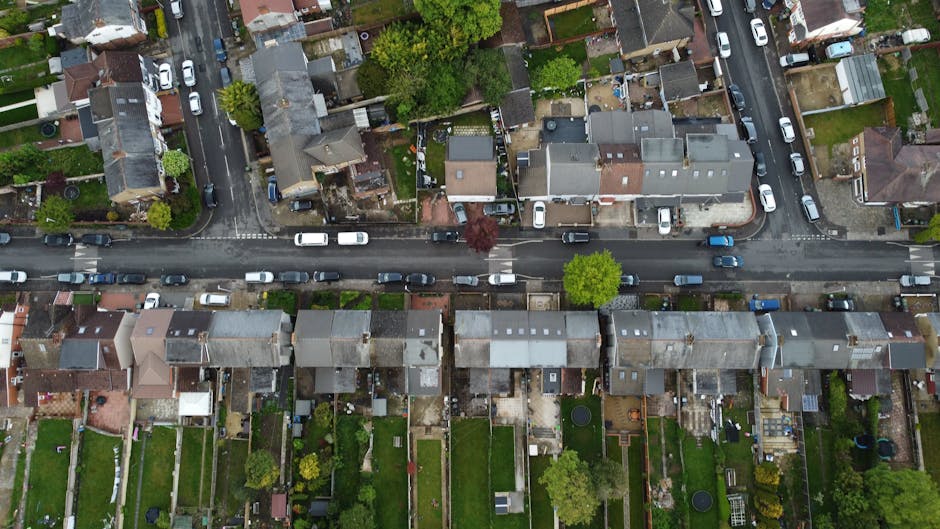
On a quiet road, a removal van can often pull up, load, and leave with little more than a quick nod to the neighbours. On a busy Aldersbrook street, it is a different story. Space may be tight, traffic may keep flowing, and there may be pressure from residents, deliveries, buses, or school-run congestion. A permit, or a parking arrangement tied to the move, helps create a window where the van can legally and safely operate.
That matters for three reasons. First, it reduces risk: fewer chances of causing an obstruction, a parking ticket, or a stressed driver trying to squeeze into an unsafe spot. Second, it helps the timing of the move. Removal teams work best when they can park close to the property and keep the load path short. Third, it protects your belongings. Every extra metre matters when you are carrying a mattress down stairs or wrestling a washing machine through a front gate. It is one of those unexciting details that saves you a headache later.
Busy streets also mean unpredictability. A van might be fine at 8:00 in the morning but impossible to place by 10:30. If you are moving from a flat or a house with limited frontage, the parking plan should be part of the move plan, not an afterthought. You will notice the difference immediately on the day.
How Permits for Aldersbrook house removals on busy streets Works
The exact process can vary depending on the street, the type of bay or restriction in place, and whether the move needs special dispensation from local parking controls. In simple terms, the aim is to make sure the removal vehicle can legally stop close enough to your property for loading and unloading.
In practice, there are usually a few moving parts:
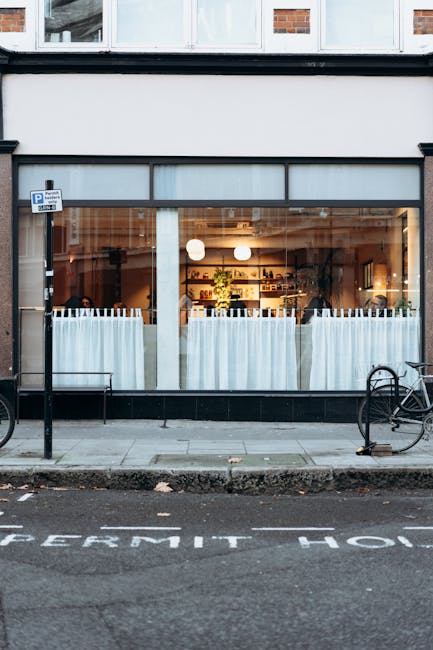
- Street type: Some streets are unrestricted, some have resident bays, and others have time-limited controls or loading restrictions.
- Vehicle size: A small van may fit where a larger removal lorry cannot. That can shape the whole booking.
- Duration: You need enough time to load or unload without rushing. Half-done moves are messy, and nobody wants to repack in the rain.
- Location of the property: If the front door opens directly onto a busy pavement or there is no easy turning space, access becomes more important.
Sometimes the solution is a formal parking permit. Sometimes it is a temporary suspension of a bay. Sometimes the answer is simply choosing the right time of day and using a smaller vehicle. The right approach depends on the street, not just the postcode.
If you are unsure whether your move is likely to need a permit, it helps to think about the practical side first. Can a van stop without blocking traffic? Can furniture be carried safely from the entrance to the van? Are there yellow lines, resident bays, or loading-only restrictions nearby? If the answer to any of those is "maybe not", it is wise to plan ahead. For trickier access jobs, the guide on narrow access removals jobs gives a good sense of what to expect.
Key Benefits and Practical Advantages
People usually think of permits as paperwork. Fair enough. But in a removal context, they are really a logistics tool. Used properly, they make the day cleaner and less stressful.
- Better access: The van can park closer to the property, which cuts carrying time and effort.
- Faster loading: Shorter walkways mean fewer trips and less chance of things being knocked or dropped.
- Lower stress: Everyone knows where the vehicle can stand, so there is less last-minute improvising.
- Improved safety: Fewer awkward carries across traffic or around tightly parked cars.
- Less disruption for neighbours: A planned stop is usually better than a van parked wherever it happens to fit.
There is also a financial angle, though not always in the obvious way. A well-planned permit can reduce delays, and delays can become expensive when movers are waiting, traffic builds up, or extra time gets used up. It is not just about avoiding a ticket. It is about keeping the whole move on schedule.
Expert summary: On busy Aldersbrook streets, parking permission is not a side issue. It is part of the move itself. Get it right, and the rest of the day tends to feel oddly easier.
Who This Is For and When It Makes Sense
Not every move needs a formal permit arrangement, but quite a lot do. This is especially true if your property sits on a road with regular traffic, limited kerb space, or restrictions that make stopping difficult for more than a moment.
You should think seriously about permits if you are:
- moving from a terraced house on a narrow street
- moving from or into a flat with limited loading space
- living near a busy junction, station route, or commuter road
- moving large furniture, appliances, or fragile items that need a close parking point
- booking a larger van or full house move rather than a quick single-item collection
It also makes sense if your move needs careful timing. Early morning, school-run hours, and late afternoon can all be awkward on some streets. Sometimes the best decision is not "Can we do this with no permit?" but "What is the least awkward way to do this safely?" That is a more useful question, honestly.
For people moving from flats, the practical details can become even more important. If that is you, the flat removals Aldersbrook page is helpful for thinking through access, stairs, and loading rhythms. If you are a student moving out on a deadline, the pressure is different again, and student removals in Aldersbrook can be a better fit for smaller, time-sensitive moves.
Step-by-Step Guidance
Here is a sensible way to handle permits for a busy-street house move without making it more complicated than it needs to be.
- Check your street conditions early. Look at the parking restrictions outside your property and nearby. Don't assume the van can just stop there.
- Map the loading point. Decide where the vehicle should stand, where items will be carried from, and how far the walk will be.
- Estimate the size of the vehicle. A full house move may need a larger van, while a smaller load may fit a more flexible vehicle choice.
- Build in time for delays. Traffic, neighbours, and awkward furniture all add minutes. Sometimes more than a few.
- Confirm responsibility. Decide who is arranging the permit, who is paying any fee, and whether anything needs printing or displaying in the cab.
- Share the details with the removal team. Give them the exact address, the street conditions, and any access quirks. The more they know, the less they have to guess.
- Have a fallback plan. If the closest parking option is unavailable, know where the next best legal position is.
One small but important point: a permit alone does not solve poor planning. If furniture is still not boxed, or the sofa is half-stripped when the van arrives, the day will still run long. That is why it helps to combine parking planning with a proper moving prep routine, like the advice in secrets to moving house without stress.
Expert Tips for Better Results
After enough moving days, a pattern becomes obvious: the most successful jobs are the ones that are boringly well prepared. Not flashy. Just tidy, calm, and organised.
- Book the vehicle to match the street, not just the volume. A smaller van is sometimes the smarter choice if access is tight.
- Aim for off-peak timing where possible. Even an hour can make a difference on a busy road.
- Pre-pack and stage items near the door. Less waiting at the kerb, less carrying back and forth.
- Protect the route. Hallways, stairs, and door frames should be clear before the van arrives.
- Keep a printed or saved note of permit details. If someone else is driving the van, they should not be left hunting for information on the morning.
Another tip that people forget: tell neighbours if you can. A polite heads-up can smooth things over and reduce the chance of blocked access or complaints. It is not mandatory in every case, but it is one of those small kindnesses that pays you back.
For heavier or awkward items, especially when the street is busy and time is tight, proper lifting technique matters too. The articles on kinetic lifting techniques and solo heavy-lifting techniques are worth a read if you want to move safely without overdoing it.
Common Mistakes to Avoid
Most permit problems are avoidable. The frustrating part is that they are usually avoidable in very ordinary ways.
- Leaving parking planning until the night before. That is when the good options disappear fast.
- Assuming the same rules apply to every side of the street. Sometimes they really do not.
- Forgetting about loading time. A parking space for ten minutes is not the same as a workable loading window.
- Booking a van that is too large for the access. Bigger is not always better. Sometimes it is just bigger.
- Not telling the movers about stairs, narrow turns, or shared entrances. Those details shape the vehicle and the schedule.
- Ignoring neighbours and pedestrians. Busy streets need extra courtesy, especially where foot traffic is heavy.
One common mistake is thinking a permit is only needed if the street looks impossible. In reality, even a street that seems "fine" at first glance can become tricky once you add a removal vehicle, multiple trips, and a couple of parked cars on either side. It is a moving day thing. The street changes personality quickly.
Tools, Resources and Recommendations
You do not need a stack of fancy tools to manage parking and access, but a few practical items help a lot.
- A simple floor plan or room list: useful for estimating how much needs to go and what the van should carry first.
- Portable labels and tape: faster identification means less delay at the loading point.
- A phone with enough battery: basic, yes, but essential if the street plan changes at the last minute.
- A contact sheet: keep names and numbers for the mover, the property contact, and anyone helping with access.
- Protective packing materials: they keep items stable when carrying distance is longer than expected.
If you are still in planning mode, it may help to look at the full services overview so you can match the right kind of move support to the street you are dealing with. For quotes and budgeting, the pricing and quotes page is a straightforward place to start. And if you need to talk through the logistics directly, getting in touch can save time compared with guessing your way through the details.
For people who want a lighter moving experience rather than a full-scale relocation, the man with van Aldersbrook and man and a van Aldersbrook options may be the right fit. If the move is larger or more complex, a dedicated house removals service is usually easier to manage on a busy road.
Law, Compliance, Standards, or Best Practice
Parking and loading around removals is one of those areas where common sense, local restrictions, and professional practice all have to line up. You do not need to be a legal expert, but you do need to respect the rules that apply to the street. That typically means checking for restrictions, understanding whether the space is intended for resident parking, loading only, or no stopping at all, and making sure the van does not create an unsafe obstruction.
Best practice in the removals industry is simple: don't improvise where parking and road safety are involved. A driver should not be left guessing about where to stop, and a customer should not be relying on a last-minute workaround if a street is clearly busy. A professional team will normally plan around access, vehicle size, item weight, and any time pressure before moving day starts.
Health and safety also come into play. If a van is parked too far away, people may carry heavy items for longer distances across uneven pavements, curbs, or traffic. That raises the risk of slips, strains, and damage. A better parking plan is not just convenient; it is part of safe working practice. If you want to understand how a mover approaches this, the page on insurance and safety adds useful context.
For residents in shared buildings, there can also be a practical courtesy layer. Keep communal entrances clear, avoid blocking bins or emergency access, and leave enough room for neighbours to pass without feeling trapped. That is basic stuff, but it matters more than people admit.
Options, Methods, or Comparison Table
There is more than one way to handle a busy-street removal. The best option depends on access, vehicle size, and how much is being moved.
| Option | Best for | Pros | Trade-offs |
|---|---|---|---|
| Formal permit or bay arrangement | Restricted roads, timed bays, tighter streets | Closest legal parking, smoother loading, less risk of fines | Needs planning and may involve admin |
| Off-peak timing without a permit | Moderately busy streets with some flexibility | Can be simpler, often less congestion | Not always enough if parking is restricted |
| Smaller van and multiple trips | Narrow roads, low clearance, awkward access | More manoeuvrable, easier to place | May take longer overall |
| Staged loading from a nearby legal spot | Very tight streets where front-door parking is unrealistic | Practical fallback option | More carrying distance, more labour |
In real life, the smart move is often a mixture. A permit may solve the parking side, while a smaller van makes the access side easier. That blend tends to work better than trying to force one perfect solution.
Case Study or Real-World Example
Picture a typical Aldersbrook house move on a weekday morning. The property is on a reasonably busy road, cars are already lining the street, and the front frontage is just wide enough for a van if everything lines up properly. The family has packed the kitchen, the hallway is clear, and the sofa still needs to come out. Nothing dramatic, just a normal moving day with more traffic than anyone would like.
In that kind of situation, the difference between a calm move and a messy one is usually planning. The van arrives with clear instructions about where to stop. The load point is chosen before anything is lifted. The biggest items go first. The path from the door to the vehicle is kept short and free of stray shoes, toys, or loose box tape. There is a small pause while a parked car moves a few feet down the road, and then everything gets going again.
It sounds simple because it is simple, but only if the permit or parking arrangement was considered in advance. If it wasn't, the van may end up too far away, the carry becomes slower, and someone spends the afternoon saying, "We should have checked that earlier." You can almost hear it, can't you?
That is why busy-street moves should be planned like logistics jobs, not just transport jobs. For moves that need extra speed, the local guide to same day removals in Aldersbrook is a good reminder that timing and access go hand in hand. If the situation is urgent or delayed, the article on last-minute bookings and delays is also relevant.
Practical Checklist
Use this checklist before moving day. It is short on purpose.
- Check street parking restrictions outside both properties.
- Confirm whether a permit, bay arrangement, or loading window is needed.
- Tell the removal team about the road, the access, and any awkward turns.
- Choose a vehicle size that suits the street, not just the volume.
- Clear the hallway, stairwell, and front path before the van arrives.
- Label boxes so the load order is obvious.
- Keep essential documents and valuables separate.
- Notify neighbours if parking or access may be disrupted.
- Leave a fallback parking option in mind.
- Keep your phone charged and reachable during the move.
If you are moving furniture or delicate large items, the support pages on furniture removals and piano removals can be useful because large items often change the parking and loading plan more than people expect.
Conclusion
Permits for Aldersbrook house removals on busy streets are really about control: control over access, timing, safety, and the flow of the day. When the parking side is handled well, the move feels lighter. When it is ignored, everything gets harder than it needs to be.
The best approach is straightforward. Check the street early, match the vehicle to the access, give the mover clear information, and build in a bit of breathing room. That small amount of planning can save time, reduce stress, and make the whole experience feel far more manageable. And if you are still piecing it together, that is completely normal. Moving is a lot, after all.
Get a free quote today and see how much you can save.
A calm move is still possible on a busy street. It just starts with the parking plan.
Frequently Asked Questions
Do I always need a permit for a house removal in Aldersbrook?
Not always. Some streets allow straightforward loading, while others have restrictions that make a permit or a parking arrangement necessary. It depends on the exact location, the time of day, and whether the van can stop safely without causing an obstruction.
How far in advance should I sort out parking for moving day?
As early as possible. Busy streets can become more difficult to manage the closer you get to the move. Early planning gives you time to check restrictions, choose the right vehicle, and avoid last-minute panic.
What happens if the van cannot park right outside the property?
The team may need to use a nearby legal space and carry items further. That can still work, but it may take longer and require more care, especially for heavier furniture or fragile items.
Are permits more important for flats than houses?
They can be, yes. Flats often involve tighter access, shared entrances, stairwells, or courtyard-style parking. Still, houses on busy roads can be just as tricky if the street is narrow or heavily restricted.
Can a smaller van avoid the need for a permit?
Sometimes a smaller van fits easier, but it does not automatically remove the need for permission. A smaller vehicle may help with access, yet parking rules still apply.
What information should I give the removal team before the move?
Give the exact address, the type of road, parking restrictions, access issues, vehicle concerns, and any time limits. If there is a narrow entrance, steep steps, or a long carry, mention that too.
Do I need to tell neighbours about a removal van?
It is not always required, but it is often helpful. A quick heads-up can reduce frustration, especially if the street is already busy and parking will be tight for a few hours.
Is it better to move in the morning or later in the day?
It depends on the street, but morning often gives you more flexibility before traffic builds. That said, every road is different, and some areas are quieter later in the day. The best time is the time that matches the access.
What if my move is delayed and the parking arrangement changes?
Keep the mover updated straight away. Delays happen, and parking can be lost quickly on busy streets. Good communication gives you the best chance of adjusting the plan without wasting time.
Can I handle the parking side myself, or should the movers do it?
That depends on the service and the arrangement. Some customers sort the permit, while others prefer the removal team to manage more of the logistics. What matters most is that someone clearly owns the task so nothing gets missed.
What is the biggest mistake people make with permits and busy streets?
The biggest mistake is assuming there will be space on the day. Roads change throughout the day, and a space that looks available during a quick visit can disappear fast once other cars, deliveries, and local traffic are in the mix.
Where should I start if I want help planning the move properly?
Start with a short conversation about your street, your property type, and the size of the move. If you want a broader overview of what is available, the removals Aldersbrook page and the wider removal services in Aldersbrook overview are sensible starting points. From there, the rest usually falls into place more easily than people expect.